
Gastric sleeve surgery, also known as sleeve gastrectomy, is a popular bariatric procedure designed to assist individuals in achieving significant and sustainable weight loss. In Melbourne, one of the leading experts in this field is Mr. Niruben Rajasagaram, a highly skilled surgeon specialising in advanced laparoscopic and bariatric surgeries.
About Mr. Niruben Rajasagaram
Mr. Rajasagaram has completed a four-year fellowship in bariatric, upper gastrointestinal, and general surgery, equipping him with extensive knowledge and expertise in these areas. His dedication to patient care and surgical excellence has made him a trusted name for those seeking gastric sleeve surgery in Melbourne. He leads a multidisciplinary team committed to providing comprehensive support throughout the weight loss journey, ensuring each patient receives personalised care tailored to their unique needs.
Why Choose Mr. Rajasagaram for Gastric Sleeve Surgery in Melbourne?
- Expertise in Advanced Laparoscopic Surgery: With a focus on minimally invasive techniques, Mr. Rajasagaram performs gastric sleeve surgeries with precision, resulting in reduced recovery times and minimised surgical risks.
- Comprehensive Patient Support: Understanding that surgery is just one component of a successful weight loss journey, his team includes dietitians, habits coaches, and personal trainers to support lifestyle changes essential for long-term success.
- Personalised Care Plans: Recognising that each patient's needs are unique, Mr. Rajasagaram develops individualised treatment plans, ensuring the best possible outcomes for his patients.
Understanding Gastric Sleeve Surgery
Gastric sleeve surgery involves the removal of approximately 75-80% of the stomach, leaving a tube-like structure or "sleeve." This reduction in stomach size limits food intake and decreases hunger sensations by reducing the production of ghrelin, the hormone responsible for stimulating appetite.
Duration of the Procedure
The gastric sleeve operation typically takes about 1.5 hours to complete. Patients are usually required to stay in the hospital for one to two days post-surgery, with a full recovery period ranging from four to six weeks.
Benefits of Gastric Sleeve Surgery
- Significant Weight Loss: Patients can expect to lose approximately 50–70% of their excess weight within two years following the surgery. For a detailed month-by-month breakdown of what that timeline looks like in practice, read our guide on how much weight to expect after gastric sleeve surgery.
- Improvement in Obesity-Related Conditions: Many individuals experience remission or improvement in conditions such as type 2 diabetes, hypertension, and sleep apnea after the procedure.
- Enhanced Quality of Life: Weight loss can lead to increased mobility, improved self-esteem, and a better overall quality of life.
Risks and Considerations
While gastric sleeve surgery is generally safe, it is essential to be aware of potential risks, including:
- Staple Line Leaks: Approximately 2.1% of patients may experience leaks along the staple line used to divide the stomach.
- Bleeding: Occurs in about 1.2% of cases.
- Stenosis/Strictures: Narrowing of the stomach sleeve can occur in approximately 0.6% of patients.
Patients may also experience side effects such as nausea, vomiting, or changes in bowel habits. It is crucial to discuss these risks with a qualified surgeon like Mr. Rajasagaram to make an informed decision.
Gastric Sleeve vs. Other Bariatric Surgeries
When considering bariatric surgery, it's essential to understand how gastric sleeve surgery compares to other weight loss procedures.
- Gastric Sleeve (Sleeve Gastrectomy): Removes 75-80% of the stomach, leading to hormonal changes that reduce hunger. It does not involve rerouting the intestines, making it simpler than gastric bypass.
- Gastric Bypass: Involves creating a small stomach pouch and bypassing part of the small intestine. This leads to both restriction and malabsorption, meaning fewer calories and nutrients are absorbed.
- Gastric Banding: Places an adjustable band around the stomach to restrict food intake, but requires ongoing adjustments and has a higher long-term complication rate.
- Gastric Balloon: A temporary, non-surgical option where a balloon is placed in the stomach to create a feeling of fullness. It's removed after six months.
Who Is an Ideal Candidate for Gastric Sleeve Surgery?
Not everyone qualifies for sleeve gastrectomy. The ideal candidate typically:
✔ Has a BMI of 35+ or a BMI of 30+ with obesity-related health conditions (diabetes, hypertension, sleep apnea).
✔ Looking to partner with the gastric sleeve surgery for sustainable weight loss
✔ Is mentally and physically prepared for lifestyle changes post-surgery.
Pre-Surgery Preparation
Before undergoing gastric sleeve surgery, patients must complete several steps to ensure they are ready:
✔ Medical Evaluation – A full health assessment, including blood tests, to check for nutrient deficiencies or pre-existing conditions.
✔ Very Low-Calorie Diet (VLCD) – Most patients need to follow a two to four-week liquid diet before surgery to shrink the liver, making the procedure safer.
✔ Lifestyle Counseling – Consultation with a dietitian and / Habits coach to assess eating behaviours and mental readiness.
What to Expect During Recovery?
✔ First 48 Hours – Patients stay in the hospital for one to two days for monitoring. Pain and discomfort are managed with medications.
✔ First Two Weeks – A liquid diet is required to allow the stomach to heal. Hydration and protein intake are prioritised.
✔ Weeks 3-4 – Transition to soft, pureed foods, avoiding hard-to-digest meals.
✔ Week 5 Onward – Slow reintroduction of solid foods, with a focus on protein-rich and nutrient-dense meals.
Most patients return to normal activities within 4-6 weeks, but strenuous exercise should be avoided until cleared by the surgeon.
Long-Term Diet After Gastric Sleeve Surgery
Success after gastric sleeve surgery depends on dietary adherence. Patients should:
✔ Prioritise Protein – Lean meats, fish, eggs, and legumes help maintain muscle mass.
✔ Eat Small, Frequent Meals – The smaller stomach requires controlled portion sizes.
✔ Avoid Carbonated & Sugary Drinks – These can stretch the stomach and lead to weight regain.
✔ Take Bariatric Supplements – Multivitamins, calcium, iron, and B12 are essential to prevent deficiencies.
Psychological and Emotional Considerations
Weight loss surgery is not just a physical transformation—it also involves mental and emotional adjustments. Some patients may experience:
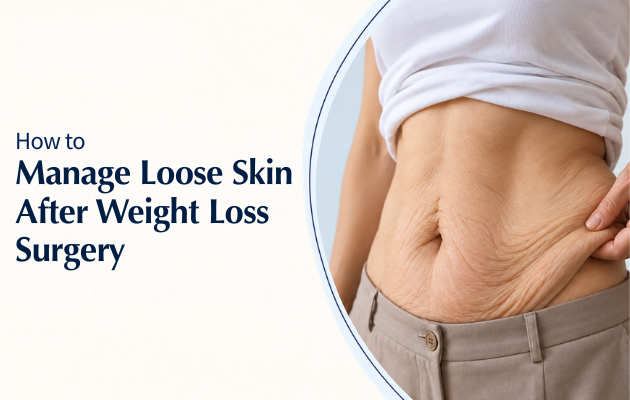
✔ Body Image Changes – Rapid weight loss can lead to loose skin and emotional adjustments to a new body size.
✔ Emotional Eating Habits – Therapy or support groups help prevent overeating due to stress or boredom.
✔ Relationship Changes – Social interactions may shift, requiring support from family, friends, or bariatric communities.
Potential Complications and Ways to Prevent Them
Like any surgery, gastric sleeve surgery carries risks. Understanding and preventing complications is crucial.
✔ Leakage from the Staple Line – A rare but serious risk. Prevented by following post-surgery diet protocols.
✔ Gastroesophageal Reflux Disease (GERD) – Some patients may develop acid reflux; managed with dietary changes or medications.
✔ Nutrient Deficiencies – Reduced stomach capacity affects nutrient absorption, making supplementation essential.
✔ Weight Regain – Can occur if patients overeat or consume high-calorie foods. Following a structured diet and exercise plan is key.
Expected Weight Loss Timeline
- 3 Months Post-Surgery: 25-35% of excess weight lost.
- 6 Months Post-Surgery: 50% of excess weight lost.
- 12 Months Post-Surgery: 60-70% of excess weight lost.
- 18-24 Months Post-Surgery: Weight stabilises, but continued effort is required to maintain results.
Postoperative Care and Lifestyle Changes
Successful outcomes depend not only on the surgery but also on adherence to postoperative guidelines:
- Dietary Modifications: Patients will need to follow a specific diet plan, gradually transitioning from liquids to solid foods, under the guidance of a dietitian.
- Regular Exercise: Incorporating physical activity into daily routines is essential for maintaining weight loss and overall health.
- Ongoing Support: Engaging with support groups, counsellors, or a habits coach can provide motivation and assistance in navigating lifestyle changes.
Take Control of Your Health with Expert Care
Gastric sleeve surgery is more than just a weight loss procedure—it’s a medical intervention that can significantly improve diabetes, hypertension, sleep apnea, and other obesity-related conditions. However, the success of the surgery depends on proper surgical technique, post-operative care, and patient commitment to lifestyle changes.
As one of the most trusted gastric sleeve surgeons in Melbourne, Mr. Niruben Rajasagaram develops individualised treatment plans ensuring the best possible outcomes for his patients. As a dedicated weight loss surgeon in Melbourne, his team includes dietitians, habits coaches, and personal trainers to support the lifestyle changes essential for long-term success. If you are also considering the financial side of your journey, our guide on melbourne weight loss surgery costs gives you a transparent breakdown of what is included in each package.
If you're considering gastric sleeve surgery, working with a highly skilled surgeon like Dr. Rajasagaram can make all the difference. Book a consultation today to assess your eligibility, discuss potential risks and benefits, and take a decisive step toward achieving sustainable weight loss and better health.
Frequently Asked Questions
Is gastric sleeve surgery the right procedure for me?
Eligibility depends on your BMI, existing health conditions, weight loss history, and psychological readiness. The best way to find out is through a consultation with a gastric sleeve specialist who can evaluate all of these factors together. Our dedicated guide on whether gastric sleeve surgery in Melbourne is right for you walks through the full eligibility checklist from a surgeon's perspective.
How do I prepare for gastric sleeve surgery?
Preparation involves a pre-operative diet to shrink the liver, quitting smoking at least four to six weeks before surgery, adjusting medications, and building mental readiness. Our complete step-by-step guide on gastric sleeve in Melbourne preparation covers every physical, dietary, and psychological step you need to take before surgery day to give yourself the best possible outcome.
What is the difference between gastric sleeve and gastric bypass?
Gastric sleeve removes approximately 75–80% of the stomach, leaving a narrow sleeve shape. Gastric bypass additionally reroutes part of the small intestine, leading to greater malabsorption. Each has its own advantages and risks. Our detailed comparison guide on bariatric surgery in Melbourne procedures breaks down the pros, cons, weight loss timelines, and which patient profiles each procedure suits best.
Can I regain weight after gastric sleeve surgery and what happens if I do?
Yes, weight regain is possible if post-operative guidelines are not followed consistently. The most common causes are poor dietary habits, lack of exercise, and emotional eating. In cases where weight regain is significant and lifestyle adjustments have not been effective, your surgeon may discuss gastric sleeve revision surgery as a next step. Our guide on top mistakes to avoid after surgery also gives practical tips for protecting your long-term results.
What does gastric sleeve surgery cost in Melbourne?
Costs vary depending on your health fund cover and the package you choose. For self-funded patients, the procedure starts from $18,000 after Medicare rebates, while privately insured patients typically pay approximately $6,000 out of pocket. Our dedicated guide on melbourne weight loss surgery costs gives a full and transparent breakdown of what is included in each package , covering surgery, hospital stay, dietitian consultations, and follow-up care , so there are no surprises before you book.