Weight Loss Surgery in Melbourne

Weight Loss Wantirna (1)

Weight loss surgery, also known as bariatric surgery, is a surgical treatment for obesity that can support significant weight loss and may improve some obesity-related health conditions. It may be considered when diet, exercise, medication or other non-surgical approaches have not achieved lasting results.

Mr. Niruben Rajasagaram provides assessment and surgical care for patients considering weight loss surgery in Melbourne, including gastric sleeve, gastric bypass and revisional bariatric procedures. The most suitable option depends on your health, weight history, medical conditions and individual circumstances.

Care includes assessment, surgery and follow-up support, with a focus on patient safety, clear information and long-term health. If you're considering stomach surgery for weight loss, understanding your options can help you make an informed decision about your treatment.

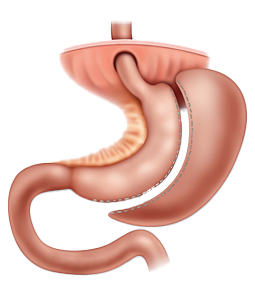
What Is Weight Loss Surgery?

Bariatric Surgery Melbourne

Weight loss surgery is a group of surgical procedures used to help manage obesity and related health conditions. It is also known as bariatric or metabolic surgery. 

Depending on the procedure, surgery reduces the amount of food the stomach can hold, influence feelings of hunger and fullness, or changes how food passes through the digestive system. These changes can support weight loss and may improve conditions associated with obesity, such as type 2 diabetes, high blood pressure, and obstructive sleep apnoea. 

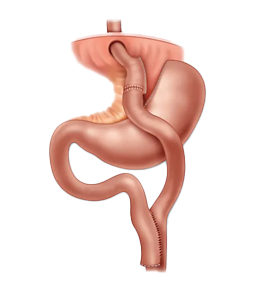
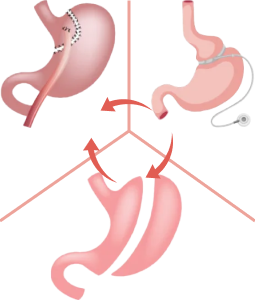
Common procedures include gastric sleeve surgery, gastric bypass surgery, mini gastric bypass, and revisional bariatric surgery. Surgery is part of a longer-term approach to weight management and is supported by changes to nutrition, physical activity, and ongoing medical care with guidance from Mr. Niruben Rajasagaram and our multidisciplinary team, including a bariatric dietitian and a habits and transformation coach. 

Who May Be Considered for Weight Loss Surgery?

Weight loss surgery may be considered for adults living with obesity when other approaches have not provided sufficient or lasting results, particularly when excess weight is affecting health. 

Suitability is assessed individually and may consider factors like: 

  • BMI and weight history 

  • Obesity-related health conditions 

  • Previous weight-management attempts 

  • Current medications and overall health 

  • Previous abdominal or bariatric surgery 

  • Nutritional and lifestyle factors 

  • Psychological readiness 

  • Ability to participate in long-term follow-up 

BMI is an important part of the assessment, but it is not the only consideration. The appropriate treatment depends on your overall health, circumstances and potential benefits and risks of surgery. 

Our Weight Loss Surgery Options

At our weight loss centre, we understand that every patient’s journey is different. That’s why we provide types of bariatric surgery procedures, each designed to support weight loss and reduce the impact of obesity-related conditions. We specialise in:

How Do You Choose the Right Weight Loss Surgery?

There is no single weight loss procedure that is right for everyone. 

As an experienced bariatric surgeon, Mr. Niruben Rajasagaram considers BMI, weight history, medical conditions, medications, digestive symptoms, previous surgery, eating patterns, and long-term health goals when discussing your options. 

For example, gastric sleeve and gastric bypass both support weight loss but affect the digestive system differently. Factors such as reflux, type 2 diabetes, and previous bariatric surgery may also influence which procedure is considered. 

A consultation allows you to discuss the potential benefits, risks and alternatives of each suitable procedure before deciding. 

Potential Benefits of Weight Loss Surgery

For appropriately selected patients, weight loss surgery can support significant weight loss and may improve health conditions associated with obesity. 

Potential health benefits may include improvements in: 

  • Type 2 diabetes 

  • High blood pressure 

  • Obstructive sleep apnoea 

  • Mobility and physical function 

  • Obesity-related health risks 

  • Quality of life 

The amount of weight lost and the health improvements experienced vary between individuals. Outcomes can be influenced by the procedure, starting weight, medical conditions, nutrition, physical activity, and long-term follow-up. 

Weight loss surgery should therefore be considered as part of an ongoing approach to managing obesity rather than short-term treatment. 

Discuss Your Weight Loss Surgery Options

Choosing weight loss surgery is an individual decision. Understanding the available procedures, potential benefits, risks and long-term requirements can help you make an informed choice. 

A consultation with Mr. Niruben Rajasagaram provides an opportunity to discuss your health, treatment options and whether bariatric surgery may be appropriate for you. 

Risks and Considerations

Weight loss surgery is a major medical treatment and, like all surgery, carries potential risks. 

Risks vary depending on the procedure and the individual. Possible complications may include bleeding, infection, blood clots, leaks, digestive symptoms, and nutritional deficiencies. Some procedures also have specific risks that need to be discussed before treatment. 

There are longer-term considerations as well, including changes to eating habits, vitamin and mineral supplementation, nutritional monitoring, and the possibility of weight regain

Before surgery, surgeons discuss the potential benefits, risks and alternatives relevant to your circumstances so you can make an informed decision. 

What Is Recovery Like After Weight Loss Surgery?

Recovery after weight loss surgery varies according to the procedure and the individual. 

After surgery, patients generally progress through a staged diet while the digestive system heals. Physical activity is gradually increased, and follow-up appointments help monitor recovery and nutritional needs, with support from our dietitian and habits and transformation coach along the way. 

The early recovery period may include: 

  • A short hospital stay 

  • A gradual progression of diet 

  • Increasing physical activity 

  • Medication as prescribed 

  • Follow-up appointments 

  • Nutritional monitoring 

The time required to return to work and normal activities depends on the procedure, occupation, and individual recovery. Surgical team will provide specific instructions for your operation and circumstances. 

Life After Weight Loss Surgery

Weight loss surgery is only one part of long-term obesity management. After surgery, ongoing attention to nutrition, physical activity and healthy eating habits remains important. 

Patients may need to: 

  • Eat smaller portions 

  • Follow recommended meal patterns 

  • Prioritise protein and nutrient-rich foods 

  • Take prescribed vitamin and mineral supplements 

  • Maintain adequate hydration 

  • Gradually increase physical activity 

  • Attend regular follow-up appointments 

  • Have nutritional and health markers monitored when required 

Weight management continues after the initial recovery period. Some patients may experience weight regain over time, and additional assessment or support may be appropriate. 

About Mr. Niruben Rajasagaram

Mr. Niruben Rajasagaram bariatric and general surgeon in Melbourne

Mr Niruben Rajasagaram is a Consultant Bariatric, Upper Gastrointestinal and General Surgeon practising in Melbourne. 

His surgical training includes fellowship experience in bariatric, upper gastrointestinal and advanced biliary surgery. His clinical focus includes the assessment and surgical management of patients considering bariatric procedures such as gastric sleeve, gastric bypass and revisional bariatric surgery. 

Treatment recommendations are based on an individual assessment of each patient's health, circumstances and treatment goals. 

Bariatric surgeries
Bariatric Surgeries Approximately 900 surgeries performed, including gastric sleeve and gastric bypass surgeries
Gallbladder surgeries
Gallbladder Surgeries Approximately 1,000 surgeries performed
Hernia operations
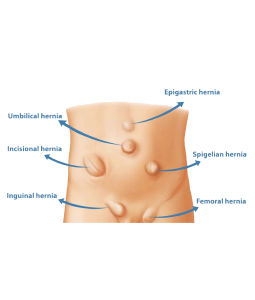
Hernia Operations Approximately 500 surgeries performed
Hiatal hernia surgeries
Hiatal Hernia Surgeries Approximately 600 surgeries performed
Patient satisfaction rate
Patient Satisfaction Rate 98%

Extensive Surgical Experience with Personalised Patient Care

Mr. Niruben Rajasagaram has extensive surgical experience across bariatric, upper gastrointestinal and general surgery, with a focus on providing personalised care to every patient.

Every patient has different health needs, medical history, and treatment goals. Mr. Niruben Rajasagaram takes the time to understand each patient's circumstances, explain the recommended procedure clearly, and discuss what to expect throughout the surgical journey.

From the initial consultation through surgery and follow-up care, his approach focuses on patient safety, clear communication and personalised treatment, helping patients feel informed, supported and comfortable.

Frequently Asked Questions

    • WHAT WEIGHT LOSS SURGERY OPTIONS ARE AVAILABLE IN MELBOURNE?

      Weight loss surgery options include gastric sleeve surgery, gastric bypass surgery, mini gastric bypass surgery, gastric balloon, gastric band, and revisional bariatric surgery. The most suitable procedure depends on your BMI, overall health, medical history, and weight loss goals. Mr. Niruben Rajasagaram will assess your individual circumstances and recommend the option that best supports your long-term health.

    • The right weight loss surgery depends on your BMI, medical conditions, previous weight loss efforts, and long-term health goals. During your consultation, Mr. Niruben Rajasagaram will explain the available procedures, including gastric sleeve and gastric bypass surgery, and recommend the most appropriate treatment based on your individual needs.

    • Most patients are eligible for weight loss surgery with a BMI of 35 or higher, or a BMI of 30 or above with obesity-related conditions such as type 2 diabetes, sleep apnoea, or high blood pressure. Eligibility is based on more than BMI alone, so your overall health and medical history will also be assessed during your consultation.

    • Medicare provides rebates for eligible weight loss surgery procedures, while private health insurance with appropriate bariatric cover may help reduce hospital and treatment costs. Your out-of-pocket expenses will depend on your level of cover and the procedure recommended. It is important to check your policy with your health fund before surgery.

    • Gastric sleeve and gastric bypass are different types of weight loss surgery that work in different ways. Gastric sleeve surgery reduces the size of the stomach, while gastric bypass creates a smaller stomach and changes how food passes through the digestive system. If you're weighing up these procedures, understanding the differences can help you make an informed decision. Read more in our guide to gastric sleeve vs gastric bypass surgery. Mr. Niruben Rajasagaram will recommend the most suitable option based on your health, BMI, and weight loss goals.

    • Weight loss surgery is supported by a multidisciplinary team that provides care before and after your procedure. Alongside Mr. Niruben Rajasagaram, you will receive guidance from a bariatric dietitian and support for developing healthy eating and lifestyle habits. This team-based approach helps patients prepare for surgery, recover safely, and maintain long-term weight loss.

    • Recovery after weight loss surgery varies depending on the procedure and your overall health. Most patients stay in the hospital for one to three nights and return to normal daily activities within four to six weeks. Your recovery plan will include guidance on diet, physical activity, and follow-up appointments to support a safe and steady recovery.

    • Weight loss surgery can improve many obesity-related health conditions, including type 2 diabetes, obstructive sleep apnoea, high blood pressure, and joint pain. The level of improvement varies between patients and depends on the procedure performed and ongoing lifestyle changes. Mr. Niruben Rajasagaram will discuss the potential health benefits based on your individual medical history.

    • Weight loss surgery is generally considered safe when performed by an experienced bariatric surgeon in an accredited hospital. As with any operation, there are risks, including bleeding, infection, and anaesthetic complications. Before surgery, Mr. Niruben Rajasagaram will explain the potential benefits and risks to help you make an informed decision.

    • Your first consultation includes a comprehensive assessment of your medical history, weight loss journey, lifestyle, and overall health. Mr. Niruben Rajasagaram will discuss your treatment options, answer your questions, and explain the benefits and considerations of each procedure. If appropriate, you may also be referred to the bariatric dietitian and other members of the care team.

    • Mr. Niruben Rajasagaram can perform weight loss surgery in Melbourne at Knox Private Hospital, Peninsula Private Hospital, Mulgrave Private Hospital and St John of God Berwick. He also consults with patients at clinics in Knox, Frankston, and Berwick. Your procedure will be scheduled at the most appropriate hospital based on your treatment plan and individual circumstances.

    • The time between your consultation and weight-loss surgery varies depending on your preoperative assessments, hospital availability, and health insurance requirements. Most patients can proceed with surgery within a few weeks to a couple of months. Your care team will provide a personalised timeline once your treatment plan has been confirmed.

Latest Blogs

Signs Candidate Weight Loss Surgery
Jul 15, 2026
5 Signs You May Be a Candidate for Weight Loss Surgery

Consideration to pursue bariatric surgery is rarely a quick decision. For most people, it follows years of trying diet, exercise, and lifestyle interventions, often with short-term success followed by weight regain, and a growing concern about the impact of weight on health, mobility, and quality of ...

Portion Control For Weight Loss
May 05, 2026
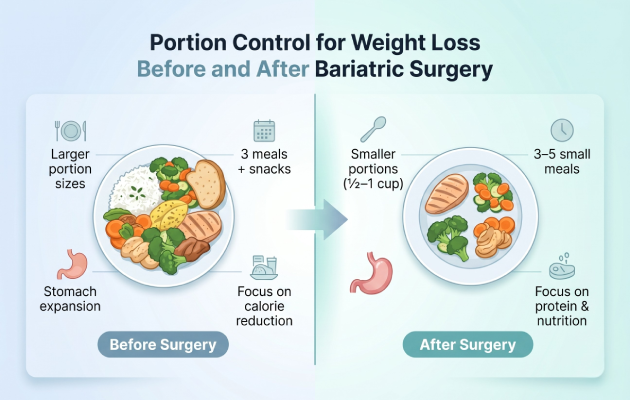
Portion Control for Weight Loss Before and After Bariatric Surgery

Portion control plays a key role in long-term weight loss, especially for people preparing for or recovering from bariatric surgery. While surgery changes how much the stomach can hold and how food is processed, lasting success still depends on everyday eating habits. Managing portion sizes helps co ...

Our Happy Patients

Our patients’ experiences reflect the care, support, and outcomes they receive throughout their treatment journey. These testimonials share real stories about recovery, confidence, and improved quality of life, helping others understand what to expect from the process.

Always the best experience with Mr. Niruben. Very easy to talk to and always gives the best advice and encourages me constantly with my weight loss journey

S
Sonia Sesega

Mr. Niruben is a very approachable doctor. He explains my condition in great detail in a calm manner. He answered all our questions thoughtfully and clearly. Thank you Mr. Niruben

N Tan

Awesome experience with Mr. Niruben and staff. Highly recommend him to anyone thinking of the surgery options, for weight loss.

Jaq Stuelten

Our Client Reviews

If you are thinking of this journey and would like to talk to one of our patients directly to get their perspective – Please feel free to contact us.