The gallbladder plays an essential role in digesting fats by storing and releasing bile into the small intestine. However, when this small organ becomes inflamed, blocked, or filled with gallstones, it can cause severe discomfort and affect your overall digestive health. In many cases, surgical removal of the gallbladder, known as a cholecystectomy, becomes the most effective and long-term solution. Recognising the early warning signs that your gallbladder may need to be removed is essential to prevent complications such as infection, bile duct obstruction, or pancreatitis.
In this blog, Mr. Niruben Rajasagaram outlines the gallbladder signs it needs to be removed and explains when it’s essential to seek medical advice for timely treatment.
What Are The Common Warning Signs of Gallbladder Problems?
If you’re wondering when a gallbladder needs to be removed, the following symptoms can be clear indicators. These signs indicate it may be time to visit a gallbladder specialist for diagnosis and possible gallbladder removal surgery.
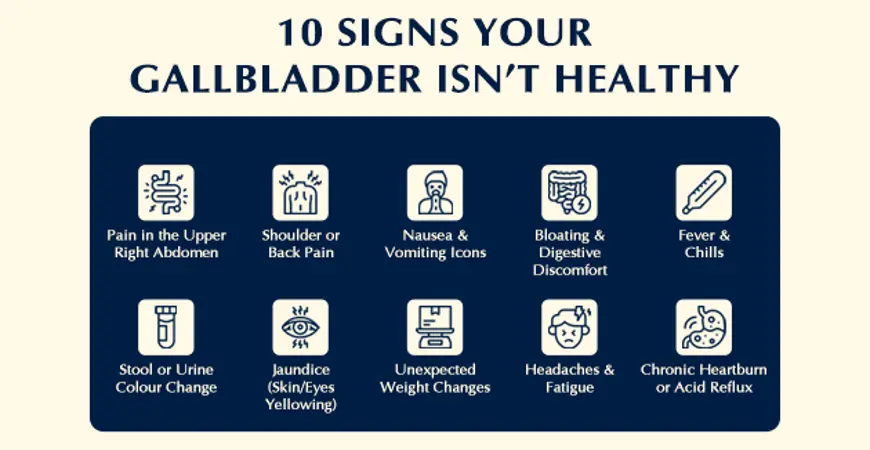
1. Persistent Pain in the Upper Right Abdomen
The most common and noticeable symptom of gallbladder issues is sharp or cramping pain in the upper right side of your abdomen. This pain often occurs after eating fatty foods and can last anywhere from minutes to hours. Frequent or intense pain episodes are a strong indicator that your gallbladder isn’t functioning properly.
2. Pain That Radiates to Your Shoulder or Back
Gallbladder pain isn’t always limited to the upper abdomen. In many cases, the discomfort can radiate to the back or the right shoulder blade, a condition known as referred pain. This occurs when inflammation or a bile duct blockage irritates nerves, sending pain signals to nearby areas of the body. Persistent or recurring referred pain, especially after eating fatty meals, is one of the most common indicators that your gallbladder may need to be removed.
3. Nausea and Vomiting
Frequent nausea or vomiting, especially when combined with upper abdominal pain, can signal gallbladder disease. This happens when bile flow is disrupted. If nausea persists even after dietary changes, a gallbladder specialist may recommend imaging tests to see if gallbladder removal surgery is necessary.
4. Bloating and Digestive Discomfort
Chronic bloating or digestive discomfort after meals can indicate that your gallbladder isn’t functioning properly. When bile flow is restricted, your body struggles to break down and absorb fats efficiently. As a result, you may experience frequent burping, indigestion, or a persistent feeling of fullness after eating.
5. Fever and Chills
Sudden fever or chills, especially when accompanied by abdominal pain, may indicate an inflamed or infected gallbladder (cholecystitis). Infections like these can progress quickly and become serious. Prompt medical attention is essential to prevent complications such as severe infection or bile duct obstruction.
6. Changes in Stool or Urine Colour
Gallbladder blockages can affect how bile flows, leading to changes in stool or urine colour. Pale, clay-coloured stools or dark urine often indicate bile duct obstruction.
7. Jaundice (Yellowing of Skin or Eyes)
When gallstones block bile ducts, bilirubin builds up in the bloodstream, causing jaundice, yellowing of the skin and eyes.
8. Unexpected Weight Changes
Gallbladder problems can affect your digestion and appetite. Some people experience sudden weight loss due to nausea or food intolerance, while others gain weight because they avoid healthy fats.
9. Headaches and Fatigue
You might ask, “Can gallbladder problems cause headaches?” Indirectly, yes. Poor bile flow affects nutrient absorption, which can lead to fatigue and headaches. Persistent tiredness, along with other symptoms, should prompt a visit to a gallbladder specialist.
10. Chronic Heartburn or Acid Reflux
Bile reflux can cause burning sensations similar to acid reflux. If standard reflux treatments don’t help, the problem might be related to your gallbladder. Continuous upper abdominal discomfort is one more reason to get checked.
When to See a Doctor?
If you are experiencing several of these symptoms, it’s time to consult a qualified gallbladder specialist. Ignoring the signs can lead to severe infections, gallbladder rupture, or pancreatitis. Early diagnosis through imaging tests like ultrasounds or MRIs can determine whether your gallbladder needs to be removed.
The gallbladder surgery itself is generally safe, minimally invasive, and provides long-term relief from recurring pain and discomfort.
Mr. Niruben may recommend gallbladder removal surgery (cholecystectomy) if gallstones or inflammation are severely affecting your life. The procedure is often minimally invasive and can help restore normal digestion and comfort.
Why Should You Choose Mr. Niruben Rajasagaram?
When dealing with gallbladder problems, you deserve compassionate, expert care. Mr. Niruben Rajasangram is an experienced gallbladder specialist in Melbourne, providing advanced diagnosis and treatment for a wide range of gallbladder conditions.
Mr. Niruben Rajasagaram focuses on patient-centred care, ensuring you understand every step of your treatment journey. Whether you require non-surgical management or gallbladder removal surgery, you can expect:
-
A thorough assessment and clear diagnosis
-
Effective treatment options
-
Minimally invasive surgical techniques
-
Personalised aftercare and recovery support
With years of surgical experience, Dr. Rajasagaram is dedicated to helping patients achieve lasting relief and improved digestive health.
Takeaway
While the gallbladder is a small organ, its dysfunction can cause significant digestive disturbances and discomfort, often affecting your daily routine. Recognising early gallbladder signs that it needs to be removed, such as abdominal pain, nausea, indigestion, jaundice, or changes in digestion, can prevent serious complications.
If you’ve been wondering how to know when a gallbladder needs to be removed, the best step is to consult a trusted specialist, Mr. Niruben, for a professional evaluation.
Mr. Niruben Rajasangram offers comprehensive diagnosis and treatment options, including gallbladder removal surgery, for patients experiencing persistent symptoms.
However, if you are looking for ways to manage obesity or achieve long-term weight-loss results, you can also explore our detailed blog, Achieve Your Weight Loss Goals with Top Surgery Options in Melbourne, for more insights into effective surgical solutions.
Visit our clinic to consult Mr. Niruben Rajasagaram, who will carefully assess your condition and provide personalised guidance on the most appropriate and effective treatment options for your gallbladder-related concerns.