
Most people spend weeks researching the surgery. Very few feel prepared for the moment they sit down to their first meal afterwards. For patients of Mr. Niruben Rajasagaram, Melbourne bariatric surgeon, the questions that follow gastric sleeve surgery are almost always about food. What can I eat? Will I feel hungry? What happens if I get it wrong?
Quick Answer: After gastric sleeve surgery, patients generally progress from liquids to pureed foods, then soft foods and eventually regular-texture foods over several weeks. Meals are much smaller, with an emphasis on protein, hydration and adequate nutrition. The exact timing varies, so patients should follow the post-operative diet provided by their bariatric surgeon and dietitian.
Gastric sleeve surgery is a form of gastrectomy, specifically, the surgical removal of roughly 75 to 80 per cent of the stomach, leaving a narrow sleeve-shaped pouch. It is the most commonly performed bariatric procedure in Australia, and it permanently changes the way the body processes food.
This guide answers all common questions, in line with the clinical approach of Mr. Niruben Rajasagaram and specialist bariatric dietitian Ms Stefania Basso at our Melbourne weight loss surgery clinic.
Still preparing for surgery? Read Mr. Niruben Rajasagaram's guide on how to prepare for gastric sleeve surgery first.
What Is a Gastrectomy and How Does It Affect Eating?
A gastrectomy is the removal of part or all of the stomach. In bariatric surgery, this is called a sleeve gastrectomy, where about 75 to 80 per cent of the stomach is removed, leaving a narrow, banana-shaped sleeve.
This change is permanent, and it affects eating in four key ways:
-
You get full much faster. In the early weeks, your stomach may only hold two to four tablespoons of food comfortably. Even months later, portions will be much smaller than before.
-
Food moves faster. The stomach no longer slowly releases food into the small intestine the way it used to. This is why what you eat and how quickly you eat matters so much after gastric sleeve surgery.
-
Hunger hormones drop. The removed portion of the stomach produces most of the body's ghrelin, which is the hormone that makes you feel hungry. Without it, many patients simply stop feeling hungry, at least for the first several months.
-
Nutrient absorption changes. Your body may absorb less vitamin B12, iron, calcium, and vitamin D from food. This is why lifelong supplements after sleeve gastrectomy are non-negotiable, not optional.
Mr. Niruben Rajasagaram completed a four-year fellowship in bariatric and upper gastrointestinal surgery and has over a decade of experience in laparoscopic gastric sleeve surgery in Melbourne. His core belief is simple: patient who understand their body take better care of themselves.
Does Hunger Change After Gastrectomy?
Most patients feel far less hungry after a sleeve gastrectomy. Some feel no real hunger at all for the first several months. This surprises nearly everyone.
The reason is ghrelin. Before surgery, ghrelin rises between meals and tells you it is time to eat. After a gastric sleeve, that signal fades significantly because the tissue that produces it has been removed.
This sounds like a win, but it creates a real risk. If you only eat when you feel hungry after bariatric surgery, you will often not eat enough. And not eating enough slows healing, causes muscle loss, and leads to nutritional deficiency.
The solution is simple: eat by the clock, not by hunger. Set meal times and stick to them like a medication schedule, whether you feel hungry or not. Phone alarms, pre-prepped snacks, and a consistent daily routine make this much easier to maintain.
Hunger does return gradually over six to twelve months, and when it does, it tends to be quieter and easier to manage than before surgery.
With the help of a bariatric dietitian to build a personalised post-operative meal plan after gastrectomy, navigating this period is far more manageable.
What Types of Foods Should You Avoid After a Gastrectomy?
After a sleeve gastrectomy, eating the wrong foods does not just feel uncomfortable; it can also be dangerous. It triggers real symptoms fast. Here is what to avoid and why.
High-Sugar Foods
Added sugar is the biggest trigger for dumping syndrome after gastric sleeve surgery. Soft drinks, juices, lollies, sweetened yoghurts, and most packaged snacks can cause nausea, sweating, cramping, rapid heartbeat, and diarrhoea within fifteen to sixty minutes of eating. This is early dumping syndrome.
Late dumping syndrome hits one to three hours after eating too much sugar. Blood sugar spikes, a large insulin release follows, and then blood glucose crashes. You feel shaky, weak, and exhausted.
Read labels carefully. Natural sugars in whole fruit and plain dairy are generally fine in small amounts alongside protein. Concentrated added sugar is the problem.
Fried and Heavily Processed Foods
Fried takeaway, fatty processed meats, and heavy cream sauces are hard to digest after sleeve gastrectomy and cause nausea and discomfort. Healthy fats from eggs, avocado, olive oil, and oily fish are absolutely fine and encouraged. The problem is ultra-processed, deep-fried options.
Carbonated Drinks
Gas from sparkling water, soft drinks, and beer has nowhere to go in a small stomach sleeve. Bloating, pressure, and discomfort follow quickly. Mr. Niruben Rajasagaram advises avoiding all carbonated drinks for at least the first six months after gastric sleeve surgery in Melbourne.
Tough Meats and Doughy Bread
Dry chicken, overcooked steak, and dense, doughy bread are among the most commonly reported problem foods after bariatric surgery. They compact in the sleeve and cause blockage-like discomfort. Chew every mouthful thoroughly until it is nearly liquid before swallowing. This single habit prevents most texture-related issues.
Alcohol
Alcohol after bariatric surgery is absorbed far faster than before. Small amounts can cause significant intoxication. There is also a well-documented risk of transfer addiction after weight loss surgery, where comfort-seeking behaviour shifts from food to alcohol. Mr. Niruben Rajasagaram recommends avoiding alcohol completely for the first twelve months and discussing it openly with the team before reintroducing it.
Your Personal Trigger Foods
Every patient is different. Some develop lactose intolerance after gastric sleeve surgery. Others react to spicy food or certain vegetables. Keep a simple food and symptom diary and bring it to every appointment with Ms Steffania Basso. She will help you identify patterns and build a post-gastrectomy meal plan that works for your individual tolerances.
Should I Drink Liquids With Meals After a Gastrectomy?
No, and this surprises almost everyone. When you drink during a meal after a sleeve gastrectomy, liquid takes up space in your small stomach that protein and nutrients should be filling. You get full before you have eaten enough, then feel empty again soon after because liquid moves through quickly.
Drinking with meals also speeds up gastric emptying, which increases dumping syndrome risk and reduces how well your body absorbs nutrients from food.
Mr. Niruben Rajasagaram's guidance is clear: stop drinking at least thirty minutes before a meal, eat without any fluid, and wait thirty to sixty minutes before drinking again afterwards.
Hydration after gastric sleeve surgery still matters enormously. Aim for 1 to 2 litres of still water daily, sipped consistently between meals. Set a phone reminder every twenty to thirty minutes if you need a prompt.
Dehydration after bariatric surgery is one of the most common reasons patients need urgent care in the weeks after surgery. When thirst signals are suppressed, it is easy to forget to drink entirely. Do not wait to feel thirsty. Hydrate on a schedule.
What Are the Diet Stages After Gastric Sleeve Surgery?
Mr. Niruben Rajasagaram guides every patient through five dietary stages after sleeve gastrectomy. Everyone moves at their own pace under the supervision of Mr. Niruben Rajasagaram and Ms Steffania Basso (Dietitian)
After gastric sleeve surgery, food is usually reintroduced gradually to allow the stomach to heal and help you adjust to smaller portions and different food textures. Most post-operative plans progress from liquids to pureed foods, then soft foods and eventually regular-texture foods.
The timing of each stage can vary depending on your surgeon's protocol, your recovery and how well you tolerate different foods. Always follow the specific diet plan provided by your bariatric surgeon and dietitian rather than moving to the next stage based on a general timeline alone.
Stage One: Clear Fluids (Days 1 to 3): Water, clear broth, diluted herbal tea. Very small sips. The stomach is healing and needs complete rest from solid food.
Stage Two: Full Fluids (approximately Days 4 to 14): Protein shakes after gastric sleeve, smooth yoghurt, strained soups. Protein is the priority at this stage. Sip slowly throughout the day.
Stage Three: Pureed Foods (approximately Weeks 2 to 4) Smooth, lump-free foods only. Pureed chicken, fish, cottage cheese, blended egg. Two to four tablespoons per sitting.
Stage Four: Soft Foods (approximately Weeks 4 to 8) Soft scrambled eggs, flaked fish with sauce, minced lean meat, well-cooked vegetables, ripe avocado. Introduce one new food at a time.
Stage Five: Lifelong Modified Diet (from approximately Week 8 onwards) This is the permanent diet after sleeve gastrectomy. Protein-first meals after bariatric surgery, five to six small meals daily, fluids always separated from eating. This is not a temporary phase. It is your new normal, and with time it becomes second nature.
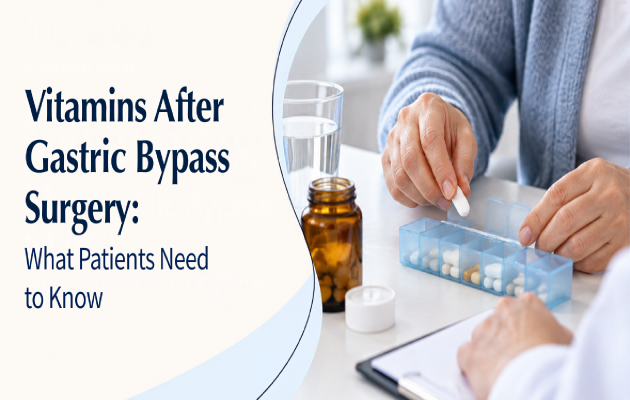
Will I Need Vitamins and Supplements After Gastric Sleeve Surgery?
Vitamin and mineral supplements are commonly recommended after gastric sleeve surgery because reduced food intake can make it more difficult to meet nutritional needs through diet alone.
Your individual supplement requirements will depend on your procedure, diet, blood test results and overall health. Your bariatric team may recommend specific vitamins or minerals and regular blood tests to monitor for nutritional deficiencies.
Take supplements as directed by your healthcare team and attend recommended follow-up appointments. Do not start, stop or change prescribed supplements without discussing this with your surgeon, GP or dietitian.
What Does Life With Food Look Like After Gastric Sleeve Surgery
The rules matter. But food is also about more than rules. Food is how we celebrate, connect, and share life with the people we love. The idea of navigating restaurants, family dinners, and social occasions with a changed stomach can feel overwhelming at first. It gets easier faster than most patients expect.
Social eating after bariatric surgery is absolutely possible. Dining out, attending events, and travelling, all of it is achievable. It takes some planning and growing confidence, nothing more.
Many patients are genuinely surprised to find that their relationship with food improves after gastric sleeve surgery in Melbourne. The constant preoccupation with eating, the guilt, the cycle of overeating and restriction, often fades into something quieter and more peaceful. You eat less, eat more slowly, and often enjoy food more than before.
Long-term success after gastric sleeve surgery is built in the years after the operation, not just in the operating theatre. Mr. Niruben Rajasagaram's Melbourne weight loss clinic is built around exactly that kind of ongoing, whole-person support.
When to Contact Mr. Niruben Rajasagaram
Recovery after gastric sleeve surgery is a journey, and Mr. Niruben Rajasagaram's Melbourne clinic is built to walk it with you, not just on the day of surgery, but through every stage that follows.
Most questions about food, symptoms, and energy levels have straightforward answers, and the team loves hearing from patients who are curious, proactive, and engaged in their own recovery. That's exactly the kind of patient who gets the best results.
If something feels off, whether it's nausea that isn't settling, fatigue that feels unusual, or simply uncertainty about what to eat next, reaching out is always the right move. Early support prevents small concerns from becoming bigger ones, and no question is too minor to ask.
Mr. Niruben Rajasagaram's team is accessible, experienced, and genuinely invested in your long-term success. The clinic also offers dedicated post-operative nutritional consultations with our dietitian, so your diet and supplement plan evolves alongside your recovery, personalised, monitored, and always moving forward.
You had surgery to change your life. The team's job is to make sure that change sticks.
Conclusion: Ready to Take the Next Step in Melbourne?
Eating after a gastrectomy is different. But with the right support, it becomes completely manageable.
If you are considering gastric sleeve surgery in Melbourne, book a consultation with Mr. Niruben Rajasagaram today. With over a decade of specialist experience and more than 100 verified Doctify reviews, we are with you every step of the way.
If you have already had surgery and want dedicated post-operative nutritional support, contact Ms Stefania Basso to book a consultation with a bariatric dietitian in Melbourne at our clinic.
Frequently Asked Questions
What is a gastrectomy, and how does it affect eating?
A gastrectomy is the surgical removal of part or all of the stomach. After a sleeve gastrectomy, your stomach is significantly smaller, you feel full faster, hunger hormones drop, and food moves through your digestive system more quickly. Everything about the way you eat changes, but it is entirely manageable with the right guidance.
Do you feel hungry after a total gastrectomy?
Most patients feel far less hungry after a sleeve gastrectomy, and many feel no physical hunger at all in the first several months. This happens because the surgery removes the tissue that produces ghrelin, your main hunger hormone. You need to eat on a schedule rather than waiting to feel hungry, because your body still needs regular nutrition even when it is not sending the usual signals.
Are There Foods to Avoid After Gastric Sleeve Surgery?
During the early recovery stages, certain foods may be difficult to tolerate or may not be appropriate for your current diet texture. Your bariatric team will advise when different foods can be safely reintroduced.
Longer term, foods and drinks high in added sugar or saturated fat may make it harder to meet nutritional and weight management goals when consumed regularly. Carbonated drinks may also cause discomfort for some people after bariatric surgery.
Food tolerance varies between patients. Introduce foods gradually as advised and speak with your dietitian if particular foods repeatedly cause pain, nausea, vomiting or other symptoms.
Should I drink liquids with my meals after a gastrectomy?
No. After a sleeve gastrectomy, drinking with meals fills your small stomach with liquid instead of nutrients, speeds up gastric emptying, and increases the risk of dumping syndrome. Stop drinking at least thirty minutes before eating and wait thirty to sixty minutes after finishing before drinking again. Aim for 1.5 to 2 litres of still water daily, sipped consistently between meals.
How long does it take to eat normally after gastric sleeve surgery?
Most patients progress through the five dietary stages over approximately eight weeks, moving from clear fluids to a lifelong modified solid diet. Full adaptation to eating after gastrectomy, including comfortable portion sizes and a confident understanding of personal food tolerances, typically takes six to twelve months. Every patient's timeline is individual.
Do I need to take vitamins after gastric sleeve surgery?
Yes, and for life. After a sleeve gastrectomy, the body cannot absorb adequate amounts of iron, vitamin B12, vitamin D, calcium, and folate from food alone. Bariatric-specific supplements in chewable or liquid form are recommended, and blood tests every six to twelve months ensure levels remain in the healthy range. This is not something that stops after recovery. It is a permanent part of life after gastric sleeve surgery.
What is dumping syndrome after gastric sleeve surgery?
Dumping syndrome occurs when food moves too quickly through the digestive system and can cause symptoms such as nausea, abdominal discomfort, diarrhoea, dizziness or weakness after eating. It is more commonly associated with procedures that alter how food passes into the small intestine, although symptoms can occur after different types of stomach surgery.
If you experience ongoing symptoms after eating, speak with your bariatric care team. Changes to meal size, eating patterns and food choices may help, but persistent symptoms should be professionally assessed.