
Hernias often develop gradually, and in many cases, the early signs are easy to overlook. What may begin as mild discomfort or a small bulge can slowly progress into persistent pain, restricted movement, or other complications if left untreated. Understanding these early warning signs is essential, as it helps determine when medical assessment is needed and whether hernia surgery in Melbourne should be considered. Early evaluation allows timely treatment planning and can reduce the risk of more serious complications later on.
In this blog, Dr. Niruben Rajasagaram focuses on the key signs that indicate when medical assessment is necessary, when hernia surgery becomes the recommended option, and what recovery typically involves.
What Is a Hernia?
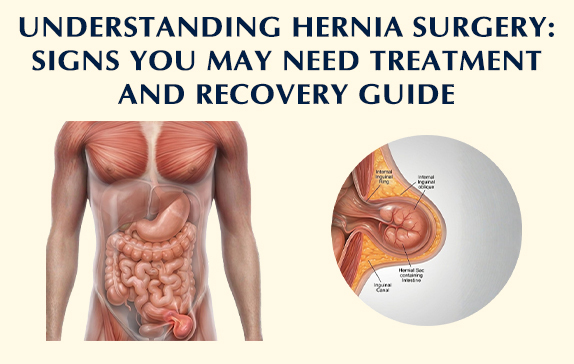
A hernia develops when an internal organ or tissue pushes through a weakened area of muscle or connective tissue. This most often happens in the abdomen or groin, but hernias can also form around previous surgical scars.
Common types of hernias include:
- Inguinal hernia: Occurs in the groin and is one of the most common types
- Umbilical hernia: Appears near the belly button
- Incisional hernia: Develops at the site of a previous surgical incision
- Hiatal hernia: Happens when part of the stomach moves up into the chest through the diaphragm
Some hernias may remain small and cause little discomfort initially. However, many tend to grow over time and can lead to increasing pain or complications if not assessed and managed appropriately.
Common Signs You May Need Hernia Surgery
Not all hernias require immediate surgery, but certain symptoms indicate that medical evaluation is essential. However, early assessment by a qualified & skilled hernia specialist in Melbourne can help prevent these complications.
Early Signs of a Hernia You Should Not Ignore
In the early stages, hernia symptoms may appear only during physical strain. These early warning signs often include:
- A small bulge in the abdomen or groin that appears when standing, coughing, or lifting
- Mild discomfort or pressure in the affected area
- A pulling or aching sensation after activity
At this stage, symptoms may come and go. While they may seem manageable, these signs indicate a weakness in the muscle wall that will not repair itself. Monitoring alone may be appropriate initially, but medical evaluation is essential to prevent progression.
Persistent Pain and Discomfort as a Warning Sign
As a hernia enlarges, discomfort often becomes more frequent and noticeable. Ongoing pain is one of the strongest indicators that hernia surgery should be considered.
Signs include:
- Pain that increases with walking, bending, or lifting
- A constant feeling of heaviness or pressure
- Discomfort that interferes with work or daily activities
When pain persists despite rest, it indicates that the hernia is no longer manageable. Consultation with a hernia specialist in Melbourne can help determine whether surgical repair is required to prevent further deterioration.
Changes in the Size or Appearance of the Hernia
A hernia that increases in size over time is a clear sign that treatment should not be delayed. Warning signs related to appearance include:
- A bulge that becomes larger or firmer
- Swelling that does not reduce when lying down
- Visible asymmetry in the abdomen or groin
An enlarging hernia places additional strain on surrounding tissues, increasing the likelihood of complications. In such cases, hernia surgery is often recommended to restore strength to the muscle wall and prevent further damage.
Digestive Symptoms That Signal a More Serious Problem
Certain hernias, particularly abdominal and incisional hernias, may begin to affect digestion. Symptoms to watch for include:
- Bloating or abdominal discomfort
- Nausea or vomiting
- Difficulty passing stool or gas
These symptoms may indicate that a portion of the intestine is becoming trapped. This situation requires urgent medical assessment, as delayed treatment can lead to serious complications. Early surgical intervention can help avoid emergency surgery and prolonged recovery.
Sudden Severe Pain: When Immediate Treatment Is Needed
A sudden increase in pain should never be ignored. This can be a sign of a strangulated hernia, where the blood supply to the trapped tissue is reduced.
Urgent warning signs include:
- Sharp or severe pain at the hernia site
- Redness or tenderness over the bulge
- Fever or rapid heart rate
- In these cases, immediate medical attention is required, and hernia surgery may be performed as an emergency procedure.
When Do These Signs Mean Surgery Is Necessary?
Hernia surgery is usually recommended when symptoms persist, worsen over time, or interfere with quality of life. Surgery is also recommended when there is a risk of complications or when pain limits mobility and comfort.
A specialist assessment helps determine the most appropriate timing for surgery. For patients seeking hernia surgery in Melbourne, early intervention often leads to simpler procedures and smoother recovery.
How Long Is Hernia Surgery From Start to Finish?
One of the most common concerns patients have is the duration of the procedure. In most cases, hernia surgery takes 30 to 90 minutes, depending on the type of hernia and whether the surgery is performed using open or laparoscopic techniques.
Laparoscopic procedures may involve smaller incisions and can sometimes take slightly longer to perform, but they often result in reduced postoperative discomfort and faster recovery. The total time spent at the hospital may be longer due to preparation and monitoring during recovery, even though the surgery itself is relatively brief.
Can You Walk Immediately After Hernia Surgery?
Yes, in most cases, patients are encouraged to walk shortly after hernia surgery. Gentle movement helps improve circulation, reduces the risk of blood clots, and supports healing. Walking does not mean resuming normal activities right away—it simply involves light movement, such as short walks within the home.
Patients are generally advised to avoid heavy lifting, strenuous exercise, and sudden movements for several weeks. Your surgeon will provide clear guidance based on the type of surgery performed and your individual recovery progress.
How Many Days of Rest Are Needed After a Hernia Operation?
Recovery time varies from person to person, but most patients require a few days of rest immediately following surgery. Many people can return to desk-based work within one to two weeks, while physically demanding jobs may require additional recovery time.
Complete healing of internal tissues can take several weeks. During this period, following medical advice regarding activity restrictions is essential to avoid recurrence or complications. Adequate rest, proper wound care, and gradual return to normal activities support a smooth recovery.
Why Choose Dr. Niruben Rajasagaram for Assessing Hernia Symptoms and Treatment?
Choosing the right specialist is an important step when hernia symptoms worsen. Accurate diagnosis, timely decision-making, and clear guidance all contribute to safe treatment and smoother recovery. Patients seek care from Dr Niruben Rajasagaram for a structured, evidence-based approach that focuses on understanding symptoms and delivering appropriate hernia care.
- Extensive experience in laparoscopic (key hole)hernia diagnosis and surgery
- Careful assessment of hernia warning signs
- Clear explanation of treatment and recovery
- Positive patient feedback on Doctify and Google
- Evidence-based approach to hernia surgery in Melbourne
This approach helps patients feel informed and supported at every stage, from recognising early symptoms to recovery after hernia surgery.
Take Away
Hernia symptoms often begin quietly and may seem easy to ignore at first, but they can gradually become more noticeable over time. A visible lump, ongoing discomfort, worsening pain, or changes in digestion are signs that deserve attention. While surgery is not always required straight away, having a hernia checked early helps clarify the best next steps and lowers the risk of future complications.
Being aware of the warning signs, understanding when surgery may be advised, and knowing what recovery typically involves can make the treatment journey feel less overwhelming. Getting timely advice from an experienced hernia specialist in Melbourne allows patients to make informed decisions and supports safer, more confident long-term outcomes.
If you are experiencing ongoing hernia symptoms or are unsure whether treatment is needed, consider booking a consultation with Dr Niruben Rajasagaram. A professional assessment can help clarify your condition, discuss treatment options, and guide you on the next steps toward recovery.
Frequently Asked Questions
Can a hernia go away without medical treatment?
No, a hernia does not heal on its own. While symptoms may remain stable for some time, the weakness in the muscle wall persists and can gradually worsen, which is why ongoing monitoring or surgical repair may be recommended.
Does the size of a hernia affect the need for surgery?
Yes. An increase in size often indicates progression and can expose a patient to a greater variety of complications. Larger hernias are more likely to cause discomfort and may require surgical repair to prevent further strain on surrounding tissues.
Is hernia surgery always performed under general anaesthesia?
Not always. The type of anaesthesia depends on the hernia location, surgical technique, and patient health. Some procedures may be performed using regional or local anaesthesia based on clinical assessment.
How soon can normal daily activities be resumed after hernia surgery?
Light daily activities can usually resume within a few days, but activities involving lifting or physical strain should be avoided for several weeks. Recovery timelines vary depending on the type of repair performed.
Are there risks if hernia surgery is delayed?
Delaying treatment may increase the risk of pain, hernia enlargement, or complications such as incarceration. Early evaluation helps determine the safest timing for surgery and reduces the likelihood of emergency intervention.