
Sleep apnoea and obesity are closely linked conditions that often develop side by side, gradually affecting sleep quality, energy levels, and overall health. Many people live with persistent tiredness, loud snoring, or difficulty concentrating without realising that excess body weight may be contributing to disrupted breathing during sleep.
Because the connection between sleep apnoea and obesity is well recognised, understanding how these conditions influence one another is an important step toward effective management. Identifying the underlying causes early can help prevent ongoing sleep disturbances and reduce the risk of long-term health complications.
This blog explores how obesity contributes to the development and severity of sleep apnoea, why recognising this connection matters, and what patients should know about managing both conditions safely and effectively. It also outlines when professional support, including lifestyle changes, medical care, or options such as obesity surgery in Melbourne, may be considered to improve sleep health and overall well-being.
What is Sleep Apnoea?
Sleep apnoea is a condition in which breathing repeatedly stops and starts during sleep. The most common type, known as obstructive sleep apnoea (OSA), occurs when the airway becomes partially or completely blocked, limiting the flow of air to the lungs.
People with sleep apnoea often experience loud snoring, morning headaches, ongoing tiredness, and difficulty focusing during the day. Because sleep is constantly interrupted, the body does not get the rest it needs, even after a full night in bed.
When left untreated, sleep apnoea can increase the risk of serious health problems. These may include high blood pressure, heart disease, stroke, and complications related to diabetes, such as kidney damage. Early diagnosis and proper treatment can help improve sleep quality and protect long-term health.
Understanding the risk factors is key to prevention, and obesity is one of the most significant contributors.
Can Being Obese Cause Sleep Apnoea?
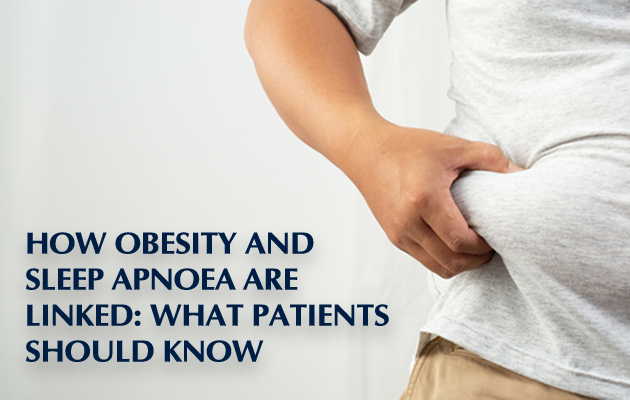
The answer is yes. Obesity is a major risk factor for obstructive sleep apnoea. Excess weight on the neck, or at the top of the upper airway, places added pressure on the throat, making it more vulnerable to collapse during sleep. The airway then becomes obstructed, leading to breathing problems and several apnoeic episodes.
Patients with obesity often have fatty deposits in the neck and throat area, which narrow the airway and restrict airflow. Additionally, increased abdominal fat can make breathing more difficult while lying down, worsening sleep apnoea symptoms.
While not every person with obesity will develop sleep apnoea, the risk rises significantly with increasing weight.
How is Obesity Related to Sleep Apnoea?
The relationship between obesity and sleep apnoea is closely connected, with each condition influencing the other. Excess weight can worsen breathing disturbances during sleep, while poor sleep quality can make weight control more challenging. This interaction often creates a cycle that requires focused management.
Key ways obesity affects sleep apnoea include:
- Increased Fat Around the Airway: Extra fatty tissue around the neck and throat can place pressure on the airway, narrowing the breathing passage and increasing the risk of obstruction during sleep.
- Hormonal Imbalance: Obesity can interfere with hormones that regulate appetite, hunger, and energy balance. These disruptions may contribute to weight gain while also affecting sleep quality and duration.
- Chronic Inflammation: Excess body weight is linked to ongoing low-grade inflammation, which can extend to the airway and worsen swelling, making breathing more difficult during sleep.
- Reduced Throat Muscle Support: Additional weight can weaken the muscles that help keep the airway open, increasing the likelihood of airway collapse when the body relaxes during sleep.
Understanding this connection highlights why managing body weight is often an important part of treating sleep apnoea. Even modest weight reduction can help improve breathing during sleep and support overall health outcomes.
Health Risks of Untreated Sleep Apnoea
Sleep apnoea is not simply a snoring issue. When left untreated, it can have wide-ranging effects on both daily life and long-term health.
Potential health risks of untreated sleep apnoea include:
- Heart and Blood Vessel Strain: Repeated interruptions in breathing cause oxygen levels to drop throughout the night, placing ongoing stress on the heart and increasing the risk of high blood pressure, heart disease, and stroke.
- Metabolic Health Concerns: Poor sleep quality can interfere with the body’s ability to regulate blood sugar, contributing to insulin resistance and increasing the risk of type 2 diabetes—particularly in individuals living with obesity.
- Daytime Tiredness and Safety Risks: Fragmented sleep often leads to persistent fatigue, reduced focus, and slower reaction times, which can affect work performance and increase the risk of accidents, including while driving.
- Impact on Long-Term Health and Longevity: Over time, severe and unmanaged sleep apnoea can take a toll on the heart, brain, and metabolic systems, potentially reducing overall life expectancy.
As sleep apnoea progresses, these risks tend to increase. Early identification and appropriate management play a crucial role in improving sleep quality and protecting long-term health.
Treatment Options for Sleep Apnoea in Patients with Obesity
- Lifestyle Modifications: Regular exercise, dietary changes, and avoiding alcohol or sedatives before bedtime can reduce symptoms.
- Continuous Positive Airway Pressure (CPAP) Therapy: CPAP machines keep the airway open during sleep and are highly effective for many patients.
- Obesity Surgery Melbourne: For patients struggling with significant obesity, bariatric surgery or obesity surgery in Melbourne may be recommended. These procedures can lead to substantial weight loss and improvement in sleep apnoea symptoms.
- Obesity Specialist Consultation: Consulting an obesity specialist can provide personalised strategies that combine medical treatment, lifestyle plans, and surgical options, if appropriate.
These approaches not only improve sleep quality but also reduce the long-term health risks associated with both obesity and sleep apnoea. To learn more about whether surgery could be the right option for you, read our detailed guide: Is Obesity Surgery Right for You? 5 Reasons It Might Be the Solution
Lifestyle Changes That Support Better Sleep
Small, consistent lifestyle adjustments can play a meaningful role in managing both obesity and sleep apnoea. When practised regularly, these changes can support better breathing during sleep and improve overall health.
Helpful daily habits include:
- Aim for Gradual Weight Reduction: Losing even a modest amount of weight can reduce pressure on the airway and support more restful sleep.
- Stay Physically Active: Regular movement helps with weight control and supports muscle strength, including the muscles involved in keeping the airway open during sleep.
- Adopt Balanced Eating Patterns: Prioritising whole, nutrient-dense foods, limiting processed sugars, and avoiding heavy meals late at night can improve both metabolism and sleep quality.
- Practise Good Sleep Habits: Keeping consistent bedtimes, creating a calm sleep environment, and limiting screen use before bed can promote deeper, uninterrupted sleep.
- Reduce Alcohol and Sedative Use: These substances can overly relax throat muscles, increasing the likelihood of airway obstruction during sleep.
When combined with appropriate medical care, these lifestyle measures can significantly improve outcomes for individuals managing both obesity and sleep apnoea.
Consulting Specialist for Tackling Obesity and Sleep Apnoea
Managing sleep apnoea, particularly in patients with obesity, requires a comprehensive, patient-centred approach. At Dr. Niruben Rajasagaram’s clinic, we prioritise personalised care that addresses both the underlying causes and the symptoms of sleep apnoea.
- Expert Guidance: Our team includes experienced obesity specialists who help develop tailored weight management and treatment plans.
- Comprehensive Evaluation: Each patient receives a detailed assessment, including sleep studies and medical evaluation, to accurately identify the severity of sleep apnoea.
- Integrated Care Approach: We combine lifestyle counselling, medical treatment, and surgical options such as obesity surgery Melbourne when appropriate.
- Focus on Long-Term Health: Our goal is not just symptom relief but improving overall health outcomes, reducing cardiovascular risk, and enhancing quality of life.
Choosing a clinic that addresses both obesity and sleep apnoea ensures that patients receive holistic care, targeting the root causes rather than only managing symptoms.
Takeaway
Sleep apnoea and obesity are often linked, and over time they can start to influence each other in unhelpful ways. Extra body weight can place pressure on the airway, making breathing more difficult during sleep. Poor-quality sleep, in turn, can affect energy levels, metabolism, and hunger signals, which may make weight management harder than expected.
Addressing this pattern early can make a real difference. With the right medical advice, patients can better understand what is driving their symptoms and explore suitable treatment options. These may include practical lifestyle changes, medical therapies, or surgical support, depending on individual circumstances and overall health.
For people experiencing sleep apnoea related to obesity, effective care usually involves more than a single solution. A personalised approach that considers both conditions together tends to deliver better outcomes. Working with an experienced specialist such as Dr. Niruben Rajasagaram allows for detailed assessment and treatment planning tailored to long-term health and wellbeing.
Frequently Asked Questions
Can being obese cause sleep apnea?
Yes, obesity is a major risk factor for obstructive sleep apnoea. Excess weight, especially around the neck and upper airway, can narrow or block the airway during sleep, leading to interrupted breathing and poor sleep quality.
How is obesity related to sleep apnea?
Obesity contributes to sleep apnoea by increasing fatty deposits around the throat and altering hormone levels that affect appetite and metabolism. This can worsen airway obstruction and create a cycle where sleep disruption makes weight management more difficult.
Does untreated sleep apnea shorten lifespan?
Severe, untreated sleep apnoea can shorten lifespan. Repeated oxygen deprivation during sleep increases the risk of heart disease, stroke, high blood pressure, and diabetes, all of which can significantly affect long-term health.
Can weight loss improve sleep apnea symptoms?
Yes, even modest weight loss can reduce airway obstruction and improve sleep apnoea severity. Combining exercise, a balanced diet, and lifestyle changes can make a noticeable difference in sleep quality.
When should I see an obesity specialist?
You should consult an obesity specialist if lifestyle changes alone are not helping with weight management, or if you have obesity-related health issues such as sleep apnoea, high blood pressure, or diabetes. Specialists can provide tailored treatment plans, including dietary guidance, medical interventions, or obesity surgery Melbourne when appropriate.